



Condensation on windows is a common issue for homeowners across the UK, particularly during the colder months. While it may seem harmless at first, constant window condensation can lead to damp, mould, and even long-term damage to your window frames and surrounding areas.
At Glassier Windows, we help homeowners improve comfort, energy efficiency, and indoor air quality through high-performance glazing solutions. In this guide, we’ll explain what causes condensation on windows and share practical ways to reduce it, and highlight when it may be time to upgrade your windows.
What Causes Condensation on Windows?
Condensation occurs when warm, moisture-rich air inside your home meets a colder surface, such as window glass. As the air cools, it can no longer hold as much moisture, causing water droplets to form on the surface.
This is especially common in winter, when the temperature difference between indoors and outdoors is greater. Everyday activities such as cooking, showering, and even breathing all contribute to indoor humidity levels.
How to Reduce Window Condensation
Improve Ventilation Throughout Your Home
One of the most effective ways to reduce condensation is by improving airflow. Poor ventilation allows moisture to build up, increasing the likelihood of condensation forming on your windows.
To combat this:
- Open windows regularly, even during colder months
- Use extractor fans in kitchens and bathrooms
- Keep air vents clear and unobstructed
Improving ventilation not only reduces condensation but also enhances overall indoor air quality.
Control Moisture with a Dehumidifier
If your home struggles with high humidity levels, a dehumidifier can be a worthwhile investment. These devices work by removing excess moisture from the air, helping to prevent condensation on windows and other surfaces.
They are particularly useful in rooms with limited ventilation or where moisture is frequently generated.
Maintain a Consistent Indoor Temperature
Keeping your home at a steady temperature can significantly reduce condensation. Sudden drops in temperature can cause warm air to cool rapidly when it comes into contact with windows.
Using a programmable thermostat allows you to maintain a consistent level of warmth, reducing the contrast between indoor and outdoor temperatures, and in turn, minimising condensation.
Consider Heat Recovery Ventilation Systems
For modern, well-insulated homes, heat recovery ventilation (HRV) systems can offer a long-term solution. These systems provide a continuous supply of fresh air while retaining heat, helping to regulate humidity levels without affecting energy efficiency.
While this is a more advanced solution, it can be particularly effective in newer or recently renovated properties.
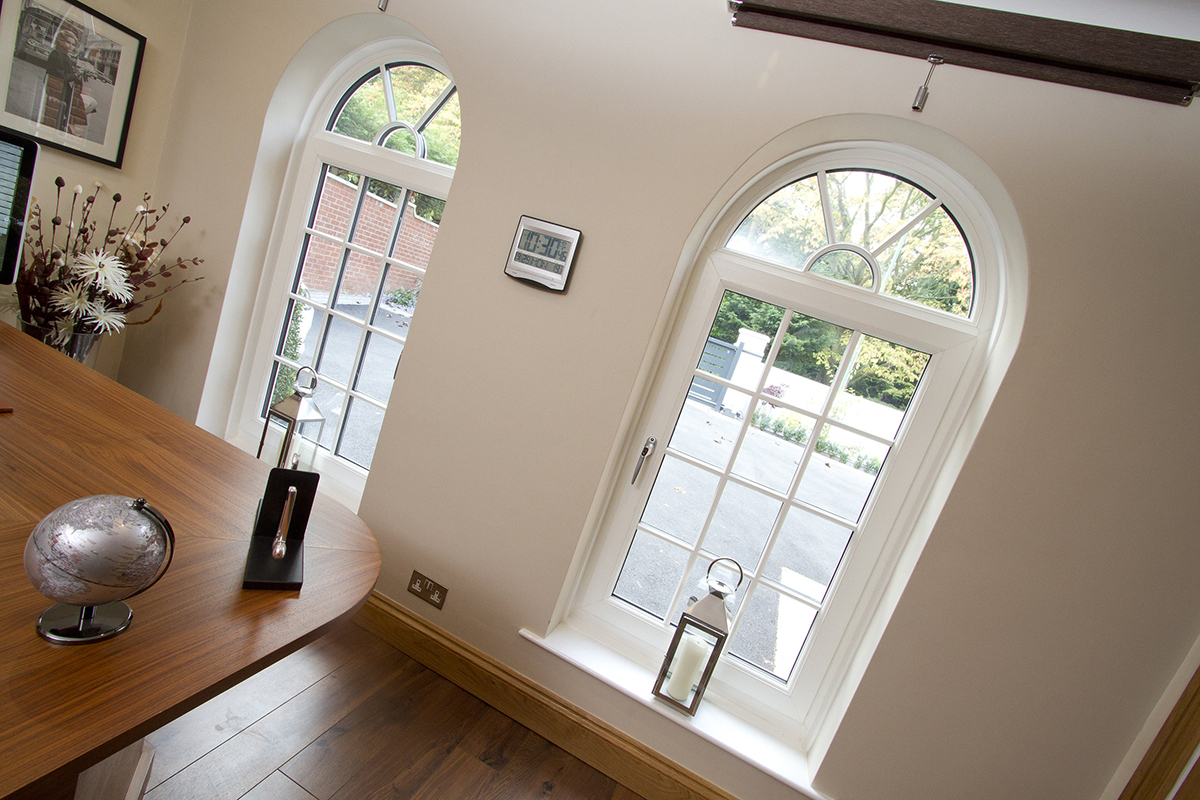
Upgrade to Energy-Efficient Windows
If condensation is a persistent problem, your windows themselves could be part of the issue.
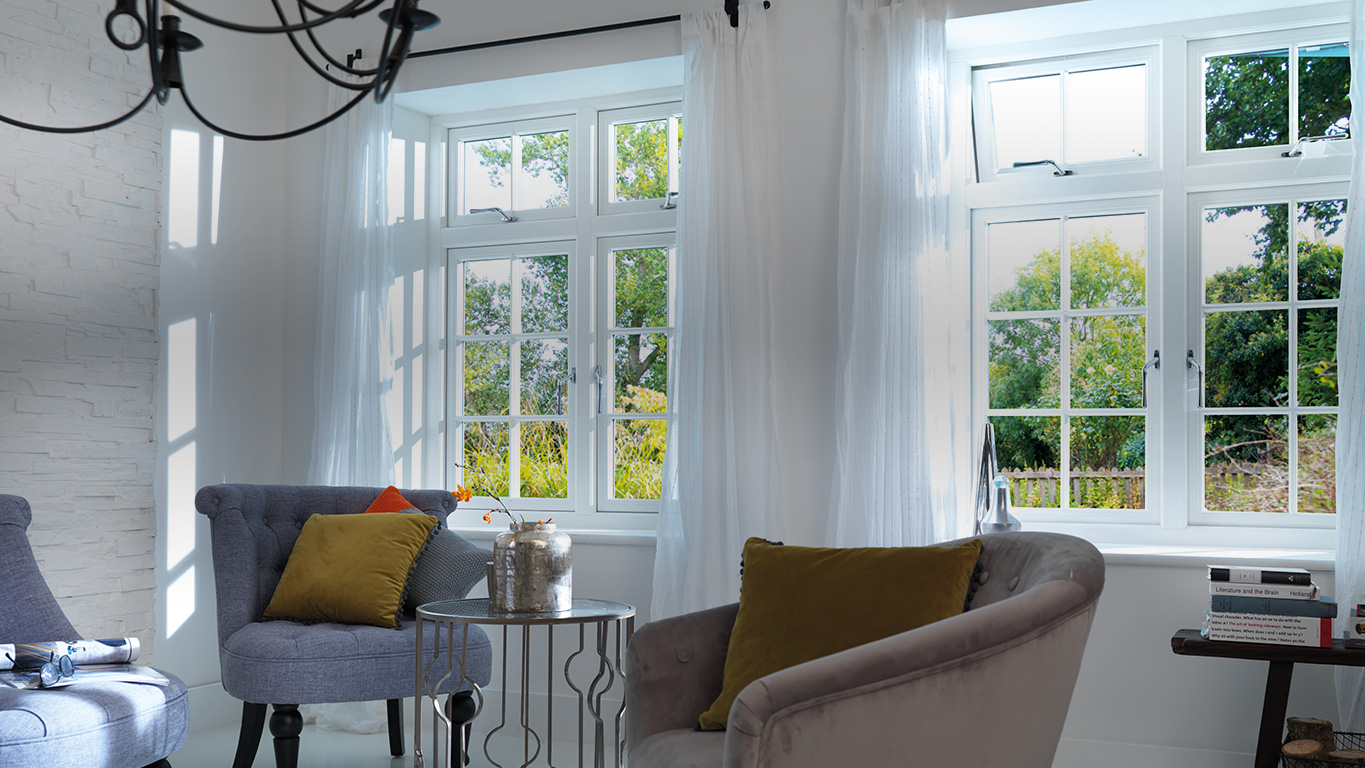
Older or poorly insulated windows are more prone to condensation because the inner glass surface cools more quickly. Upgrading to modern double glazing or triple glazing can make a significant difference.
At Glassier Windows, our high-performance glazing solutions are designed to:
- Improve thermal insulation
- Reduce heat loss
- Keep internal glass surfaces warmer
- Minimise condensation build-up
Whether you’re considering new uPVC windows, aluminium windows, or a full window replacement, upgrading your glazing is one of the most effective long-term solutions.
Use Curtains and Blinds Correctly
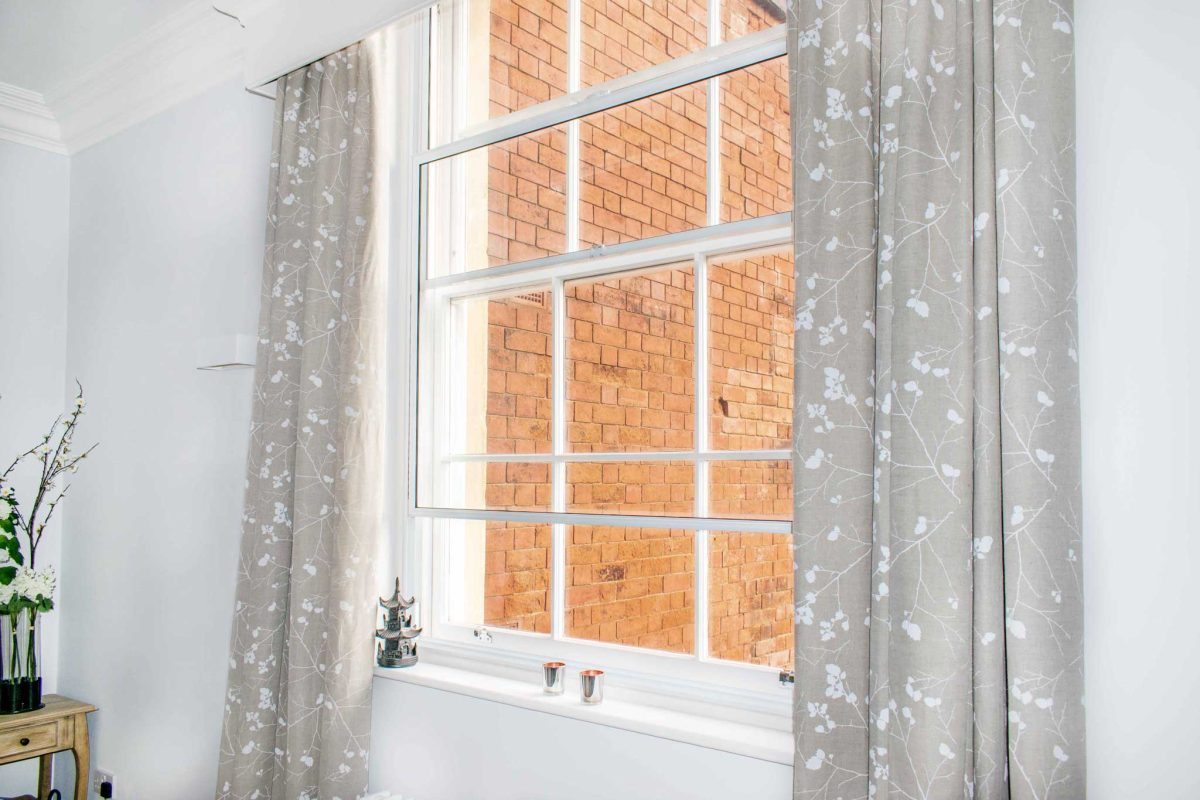
Window coverings such as curtains and blinds can sometimes worsen condensation by trapping warm, moist air against the glass.
To reduce the effect of this:
- Keep your curtains slightly open to allow airflow
- Avoid letting the fabric sit directly against the glass
- Open the blinds during the day to encourage air circulation
This simple adjustment can make a noticeable difference in reducing moisture build-up.
Check and Maintain The Window Seals
Damaged or worn window seals can allow cold air to seep in, cooling the glass and increasing condensation.
Regularly inspect your windows for:
- Cracked or perished seals
- Draughts around the frames
- Signs of moisture between panes
If you notice any of these issues, it may be time to repair or replace your windows. Glassier Windows offers expert advice and a range of modern, energy-efficient replacements tailored to your home.
Reduce Indoor Moisture at the Source
Small daily habits can have a big impact on condensation levels. Try to:
- Dry clothes outdoors where possible
- Keep lids on pans when cooking
- Close bathroom doors during showers
- Wipe down windows if condensation forms
By reducing the amount of moisture in the air, you’ll naturally limit condensation.
When to Consider New Windows
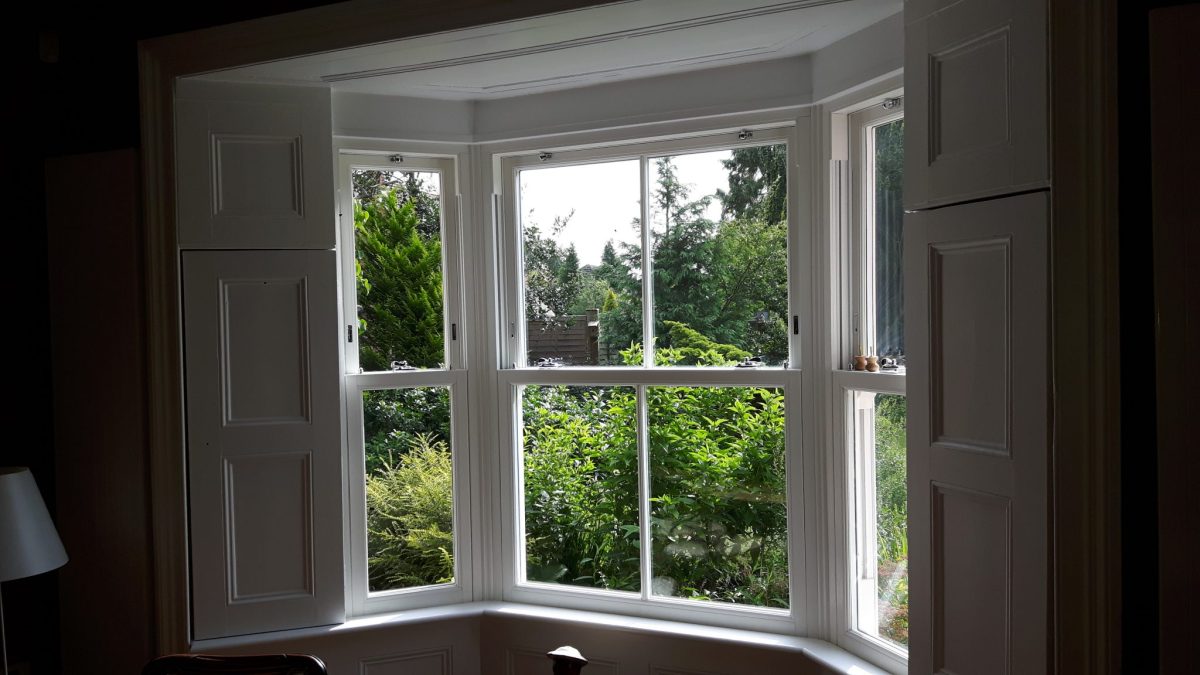
While the tips above can help manage condensation, ongoing issues often indicate that your windows are no longer performing as they should.
Upgrading to modern, energy-efficient windows from Glassier Windows can:
- Improve your home’s insulation
- Reduce energy bills
- Eliminate persistent condensation issues
- Enhance the overall comfort of your home
If your windows are older, draughty, or showing signs of wear, it’s worth exploring your options.
Speak to Glassier Windows Today
Managing condensation is about more than just wiping away water; it’s about creating a healthier, more energy-efficient home. From improving ventilation to upgrading your glazing, there are plenty of ways to tackle the issue effectively.
If you’re considering new double-glazed windows or want expert advice on reducing condensation, contact Glassier Windows today. Our team is here to help you find the perfect solution for your home.